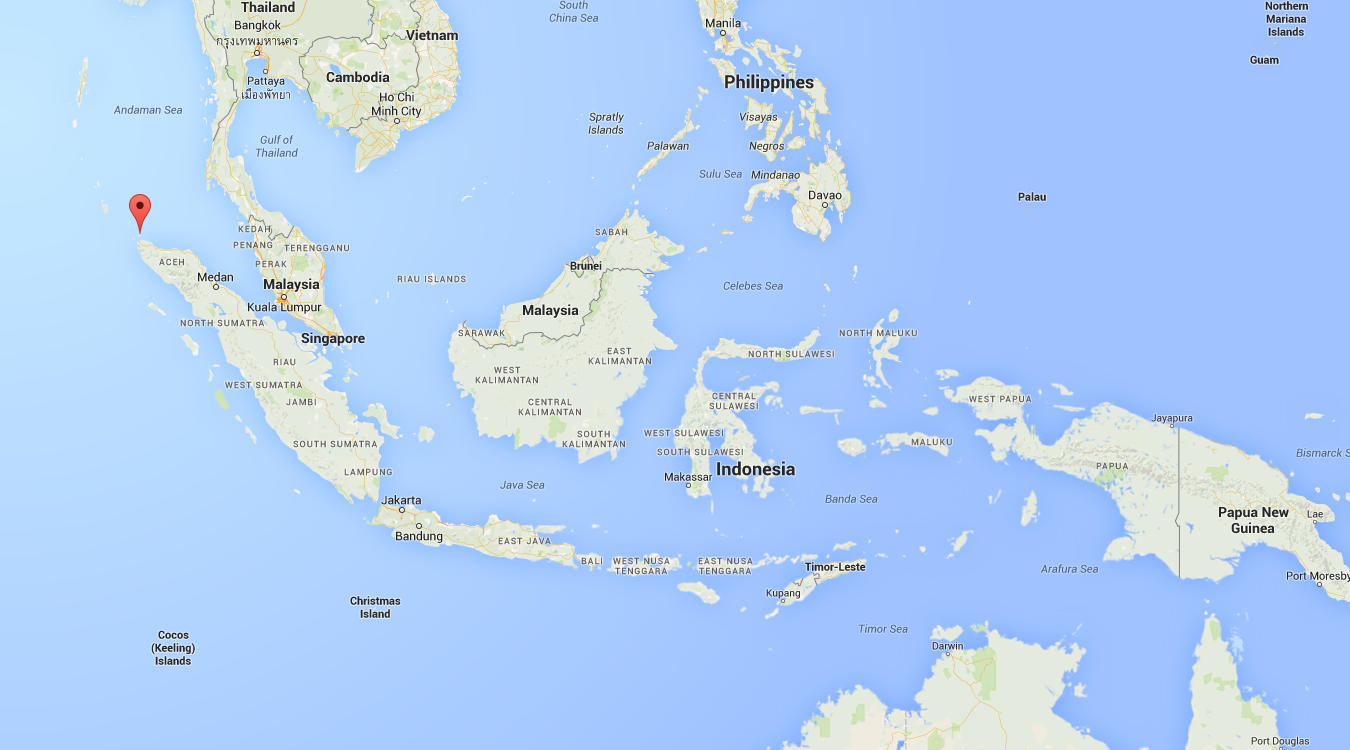
Nestled at the very tip of Indonesia’s westernmost frontier lies Pulau Weh, a small volcanic island often referred to by its main town, Sabang. This tranquil haven, part of Aceh province, remains one of Southeast Asia’s best-kept secrets, offering an escape from the bustling tourist trails. If you’re dreaming of crystal-clear turquoise waters, vibrant coral reefs teeming with marine life, and a laid-back atmosphere where time seems to slow down, then Pulau Weh should undoubtedly be at the top of your travel list.
Imagine yourselves waking up to the gentle lull of waves, with lush green hills on one side and an endless expanse of the Andaman Sea on the other. Pulau Weh is more than just a destination; it’s an experience, a journey into an untouched paradise where nature reigns supreme and the simple pleasures of island life take precedence. Whether you’re an avid diver, a keen snorkeler, or simply seeking a serene beach getaway, this island promises unforgettable moments and breathtaking beauty.
About Pulau Weh
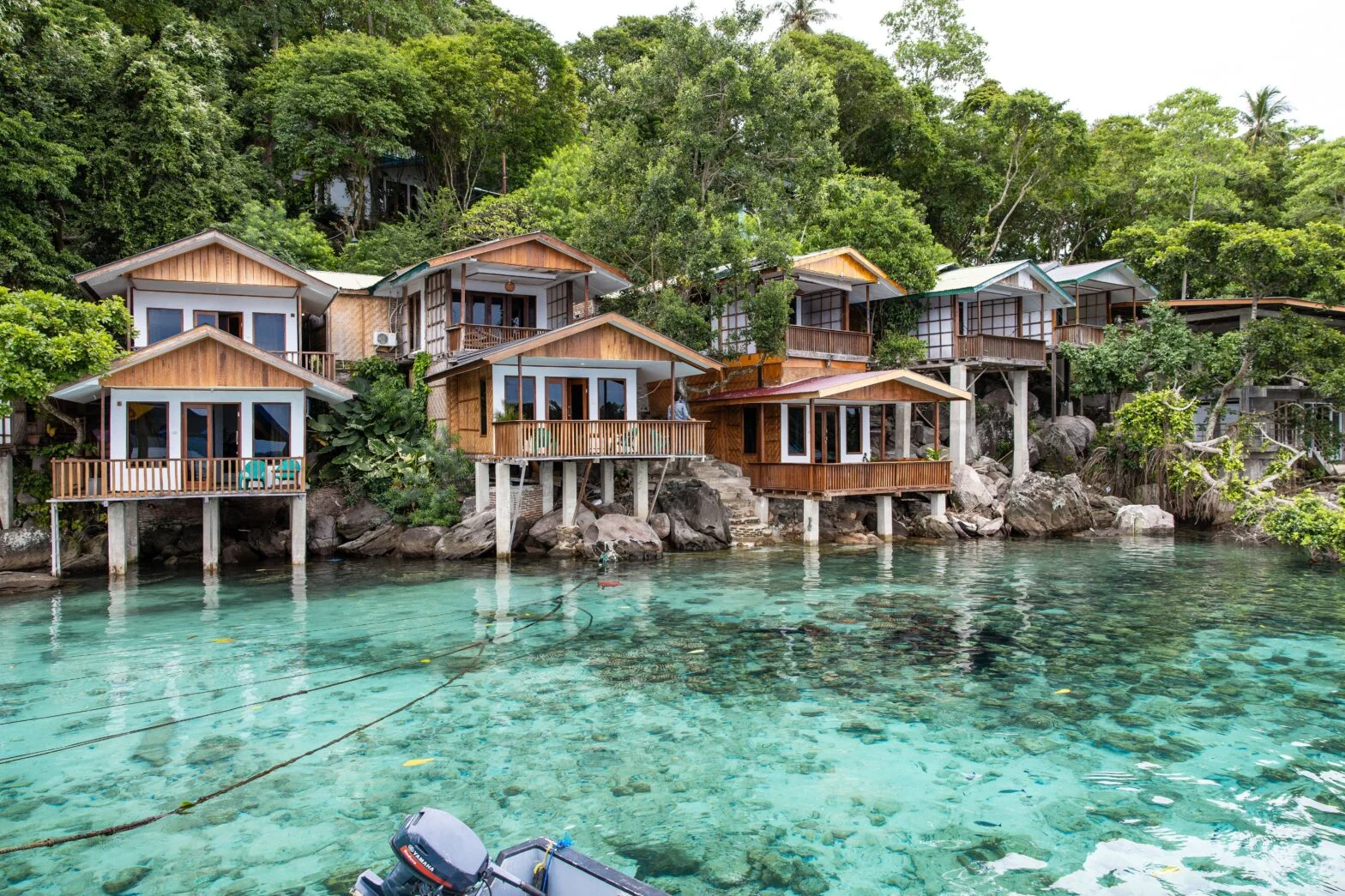
Pulau Weh, or Weh Island, is a small, geologically complex island formed by the subduction of the Indo-Australian plate under the Eurasian plate. It’s renowned for its incredible biodiversity, both above and below the surface. Located just off the coast of Banda Aceh, it serves as the gateway to Indonesia’s westernmost point, a fact celebrated by the iconic Zero Kilometer Monument. The island’s charm lies in its untouched natural beauty, sustainable tourism efforts, and the warm hospitality of its Acehnese people.
1. The Enchanting Marine Life of Pulau Weh
The waters surrounding Pulau Weh are a diver’s and snorkeler’s dream. The island sits in an area with strong currents that bring a wealth of nutrients, fostering incredibly rich marine ecosystems. You’ll be mesmerized by the kaleidoscope of colors underwater – healthy coral gardens, schools of tropical fish, majestic manta rays, reef sharks, turtles, and even occasional whale sharks. This biological hotspot makes every plunge into the ocean an adventure, revealing new wonders with each visit. Many species found here are unique to the Indo-Pacific region, making a dive in Pulau Weh a truly special encounter.
2. Local Charm and Serenity
Beyond its aquatic wonders, Pulau Weh exudes a unique charm derived from its relaxed pace of life and the genuine friendliness of its inhabitants. Unlike more commercialized islands, you won’t find large resorts or bustling nightlife here. Instead, expect quaint guesthouses, local eateries serving fresh seafood, and peaceful evenings under a canopy of stars. The local culture is predominantly Acehnese, with a strong Islamic influence, which contributes to the island’s serene and respectful atmosphere. Engaging with the locals, learning a few Bahasa Indonesia phrases, and experiencing their daily life is an enriching part of the Pulau Weh experience.
Activities and Attractions
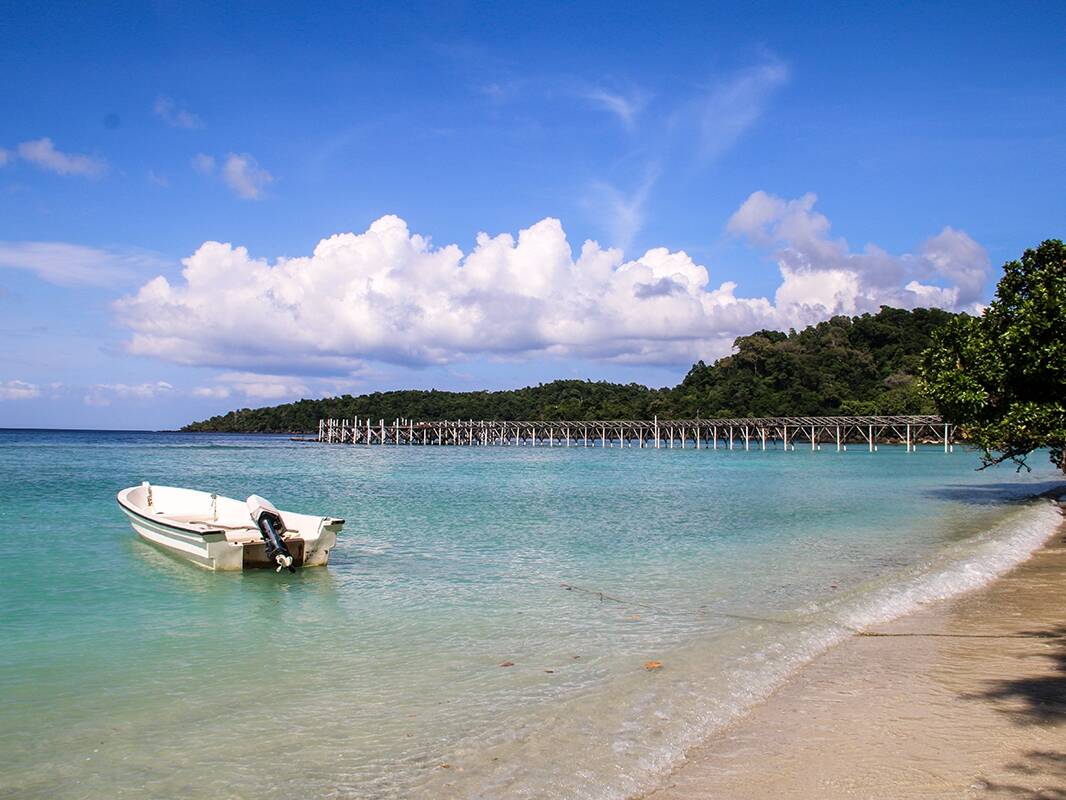
Pulau Weh offers a delightful array of activities, primarily centered around its pristine natural environment. From exhilarating underwater explorations to significant landmarks, there’s something to captivate every traveler.
A. Diving and Snorkeling Galore
This is undoubtedly the main draw to Pulau Weh. The island boasts numerous world-class dive sites suitable for all levels, from beginners to experienced divers.
* Rubiah Island: Just a short boat ride from Iboih Beach, Rubiah is a protected marine park perfect for both snorkeling and diving. Its shallow, calm waters offer incredible visibility and an abundance of colorful fish and corals.
* Batee Tokong: A more challenging dive site known for its strong currents and impressive marine life, including sharks, barracudas, and schools of jackfish.
* Sophie Rickmers Wreck: A deep dive to a WWII German cargo ship wreck, teeming with marine life, offering an adventurous experience for advanced divers.
* Arus Balee: Famous for its exhilarating drift dives, where you can glide past vibrant reefs with the current.
Several reputable dive centers are located mainly in Iboih and Gapang, offering courses (PADI, SSI) and guided fun dives at competitive prices.
B. Exploring the Zero Kilometer Monument
No trip to Pulau Weh is complete without a visit to the Zero Kilometer Monument. This landmark signifies Indonesia’s westernmost point, an equivalent to saying “Kilometer Nol”. It’s a symbolic spot marking the distance from Sabang to Merauke (Indonesia’s easternmost point). The monument itself is simple but carries significant meaning, offering panoramic views of the ocean, especially stunning at sunset. You can get a certificate here to commemorate your visit to this unique geographical location.
C. Relaxing on Pristine Beaches
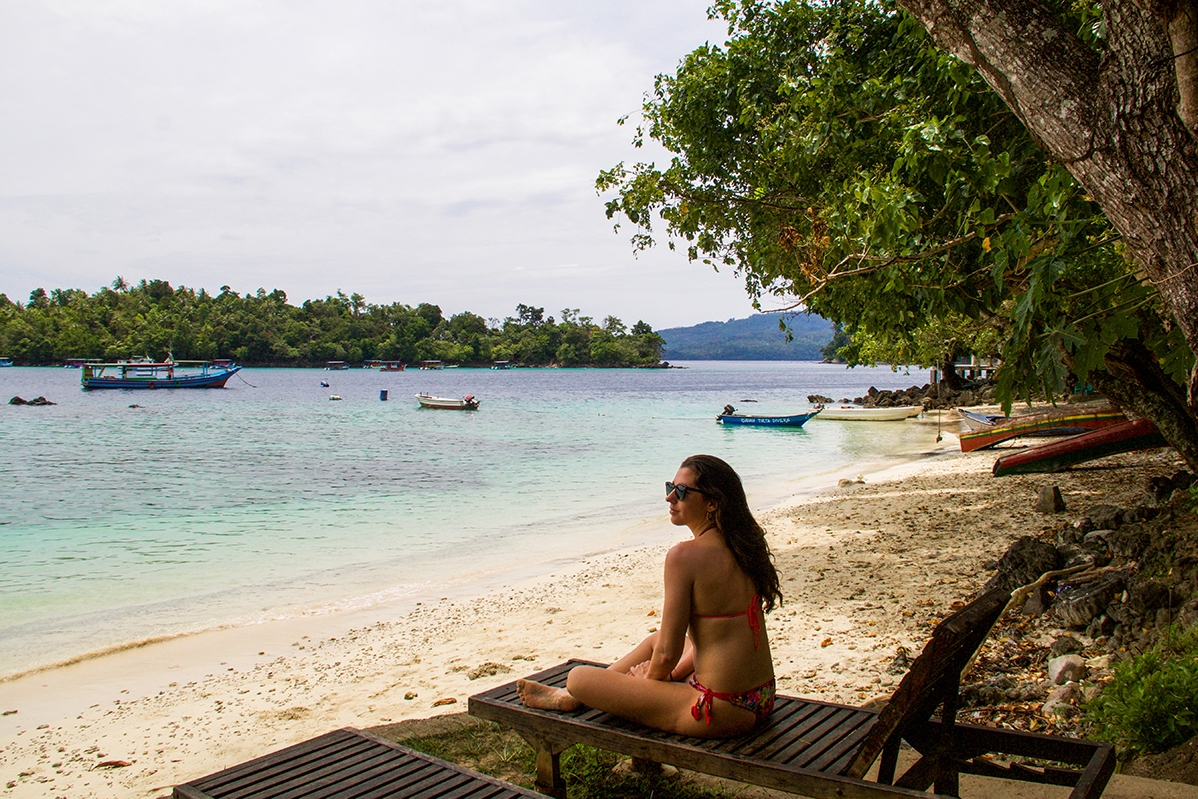
Pulau Weh is home to several idyllic beaches, each offering a distinct vibe.
* Iboih Beach: The most popular base for travelers, known for its calm, clear waters, and proximity to Rubiah Island. Many guesthouses and dive shops are located here.
* Gapang Beach (Pantai Gapang): Another favored spot, offering tranquil waters and a more secluded feel than Iboih. It’s surrounded by lush greenery and has some great snorkeling right off the shore.
* Sumur Tiga Beach: Famous for its soft white sand and swaying coconut trees, this beach is perfect for sunbathing and swimming. It gets its name “Three Wells” from the three freshwater wells found nearby.
D. Chasing Waterfalls and Hot Springs
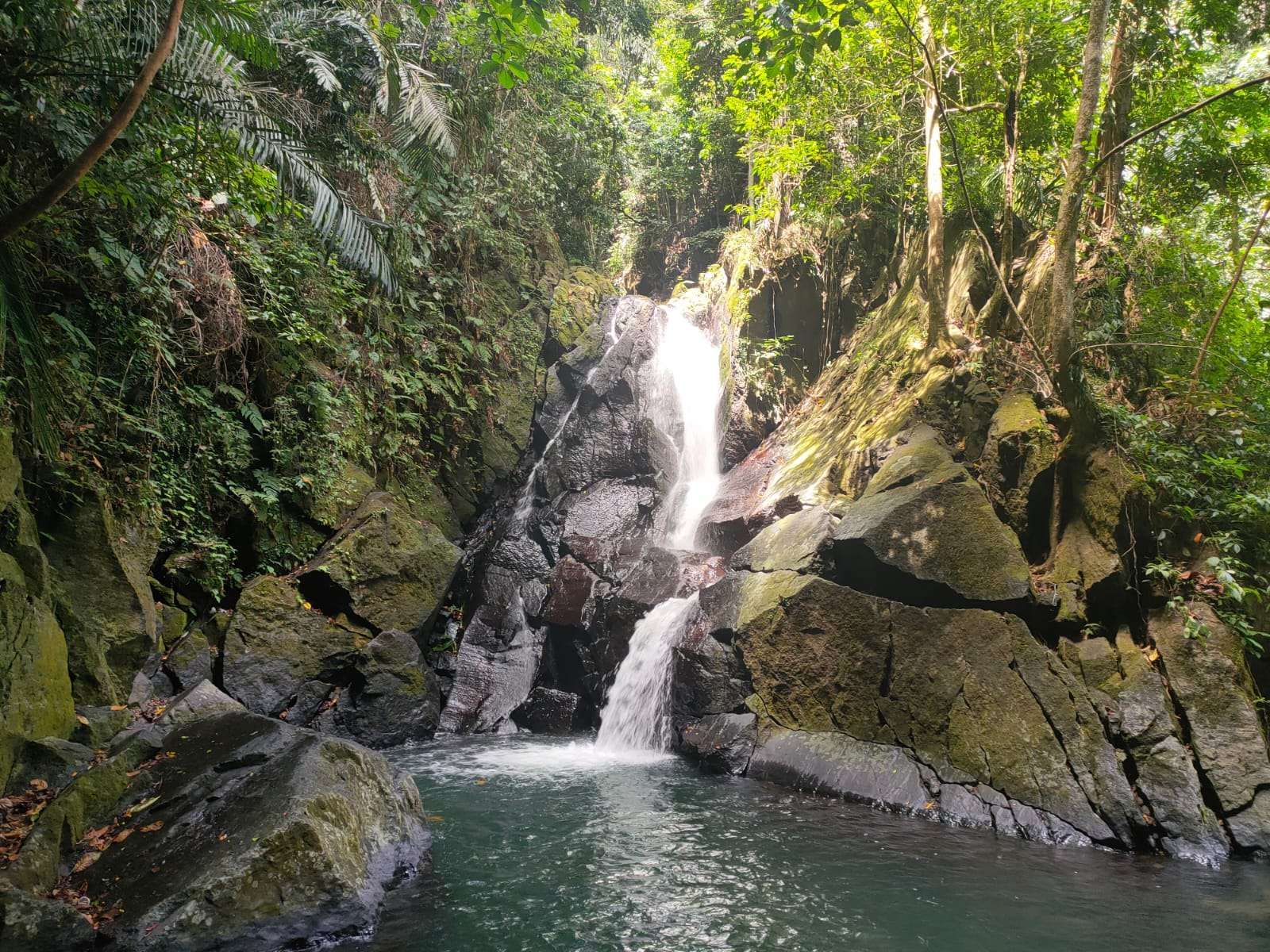
For those looking for a break from the ocean, Pulau Weh also offers inland attractions.
* Pria Laot Waterfall: A relatively small but picturesque waterfall nestled in the jungle. It’s a refreshing spot for a quick dip in its cool pools, surrounded by the sounds of nature.
* Aneuk Laot Lake (Freshwater Lake): A beautiful crater lake with clear, calm waters, ideal for a peaceful afternoon surrounded by lush forest.
* Aneuk Laot Hot Springs: A natural hot spring where you can soak your tired muscles. It’s a simple, local experience and a great way to unwind after a day of exploring.
Travel Tips for Pulau Weh
To ensure your trip to Pulau Weh is as smooth and enjoyable as possible, keep these practical tips in mind.
A. Accommodation Options
Accommodation on Pulau Weh ranges from basic beachfront bungalows to more comfortable guesthouses. Most options are found in Iboih Beach, Gapang Beach, and Sabang town. Expect rustic charm rather than luxurious resorts. Booking ahead, especially during peak season, is advisable, though spontaneous arrivals can often find something. Prices are generally budget-friendly, making it an excellent destination for long-term travelers.
B. Getting Around Pulau Weh
The easiest and most popular way to explore Pulau Weh is by renting a scooter (motorbike). Rentals are readily available in Iboih, Gapang, and Sabang, typically costing around IDR 70,000-100,000 per day. The roads are generally well-maintained, offering scenic rides through palm plantations and coastal routes. Alternatively, you can hire a becak (motorized rickshaw) or a local taxi for specific trips, which is ideal if you’re not comfortable riding a scooter.
C. Local Culture and Etiquette
Pulau Weh is part of Aceh, Indonesia’s only province that implements Sharia law. While it’s generally relaxed for tourists, it’s important to be respectful of local customs and traditions. Dress modestly, especially when away from tourist beaches or visiting towns and villages. Women should consider covering their shoulders and knees. Public displays of affection are frowned upon, and alcohol consumption is generally restricted or unavailable. During the fasting month of Ramadan, many local establishments may have reduced hours.
D. Food and Drink
Prepare your taste buds for an array of delicious Acehnese and Indonesian cuisine. Fresh seafood is a highlight, often grilled or cooked with local spices. Don’t miss out on trying Mie Aceh (spicy noodles), Nasi Goreng (fried rice), and various curries. Aceh is also famous for its coffee; try the robust Kopi Gayo. Most eateries are humble warungs (local stalls) offering authentic flavors at very affordable prices.
How to Get There / Best Time to Visit
Reaching Pulau Weh is an adventure in itself, but a straightforward one, and choosing the right time will enhance your experience.
1. Reaching Pulau Weh
Your journey to Pulau Weh begins by flying into Sultan Iskandar Muda International Airport (BTJ) in Banda Aceh. From the airport, a taxi or shared minivan can take you to the Ulee Lheue ferry port, which is about a 20-30 minute drive.
From Ulee Lheue, you have two ferry options to Balohan port in Pulau Weh:
* Fast Ferry (Kapal Cepat): Takes about 45-60 minutes and costs around IDR 80,000-100,000. It typically runs twice a day.
* Slow Ferry (Kapal Lambat): Takes approximately 2 hours and costs about IDR 25,000-30,000. This is a larger ferry, capable of transporting vehicles, and usually runs once or twice a day.
Once you arrive at Balohan port in Pulau Weh, there will be plenty of local transport (vans, taxis, becaks) to take you to your chosen accommodation in Iboih, Gapang, or Sabang town. The journey from Balohan to Iboih is roughly 30 minutes.
2. Ideal Travel Seasons
The best time to visit Pulau Weh for optimal weather and diving conditions is during the dry season, from May to September. During these months, you’ll experience clear skies, calm seas, and excellent underwater visibility, perfect for diving and snorkeling.
The wet season, from October to April, sees more rainfall, but it’s often in short, intense bursts rather than continuous downpours. Travel during this period can still be enjoyable, and the island will be less crowded. Underwater visibility might be slightly reduced, but the marine life remains abundant. If you want to avoid crowds, the shoulder months (April, May, October) can be a good compromise.
Conclusion
Pulau Weh is a truly special destination that offers an authentic Indonesian island experience. Its unspoiled beauty, mesmerizing underwater world, and peaceful atmosphere make it a perfect escape for those seeking adventure, relaxation, and a genuine connection with nature. From exploring the depths of the ocean to standing at Indonesia’s westernmost point, a trip to Pulau Weh promises memories that will last a lifetime. So pack your bags, leave your worries behind, and prepare to be enchanted by the magic of this hidden gem.
Frequently Asked Questions (FAQ)
1. Is Pulau Weh safe for solo female travelers?
Yes, Pulau Weh is generally considered very safe for solo female travelers. The local people are friendly and welcoming. However, as with any destination, it’s always wise to exercise common sense precautions, be aware of your surroundings, and respect local customs, especially concerning dress code.
2. What is the currency and can I use credit cards?
The local currency is the Indonesian Rupiah (IDR). While some larger dive centers or guesthouses in Sabang might accept credit cards, Pulau Weh is largely a cash-based economy. It’s highly recommended to carry enough cash for your stay, especially if you’re venturing outside of Sabang town. ATMs are available in Sabang for cash withdrawals.
3. Is alcohol available on Pulau Weh?
Due to Aceh’s Sharia law, alcohol is generally not available for purchase or consumption in public places on Pulau Weh. Travelers should respect this local regulation.
4. Do I need a visa for Indonesia?
Most foreign nationals can enter Indonesia visa-free for tourism purposes for up to 30 days. However, visa requirements can change, so it’s always best to check the latest regulations with the Indonesian embassy or consulate in your country before traveling. You can find more information here: Indonesian Visa Requirements