Langkawi, the Jewel of Kedah, is renowned for its breathtaking natural beauty, but even among its many stunning locales, Tanjung Rhu Beach stands out as a true masterpiece. Nestled on the northern tip of the island, this pristine stretch of coastline offers a tranquil escape far removed from the more bustling tourist hubs. If you’re yearning for an idyllic retreat with powdery white sand, mesmerizing turquoise waters, and dramatic limestone karsts, then a visit to Tanjung Rhu Beach should undoubtedly be at the top of your Langkawi itinerary.
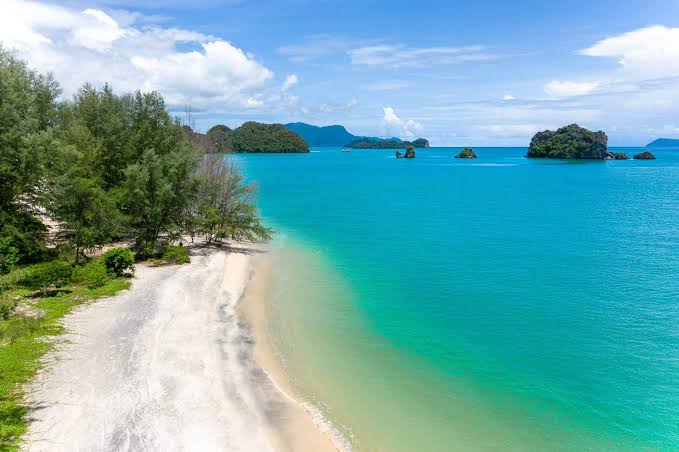
Unlike its more commercialized counterparts like Pantai Cenang, Tanjung Rhu retains a serene, untouched charm that captivates every visitor. It’s a place where the rhythm of the waves dictates your day, where the air is fresh with the scent of the sea, and where nature’s artistry is displayed in every vista. We’re here to guide you through everything you need to know to make your visit to this spectacular destination truly unforgettable.
About Tanjung Rhu Beach
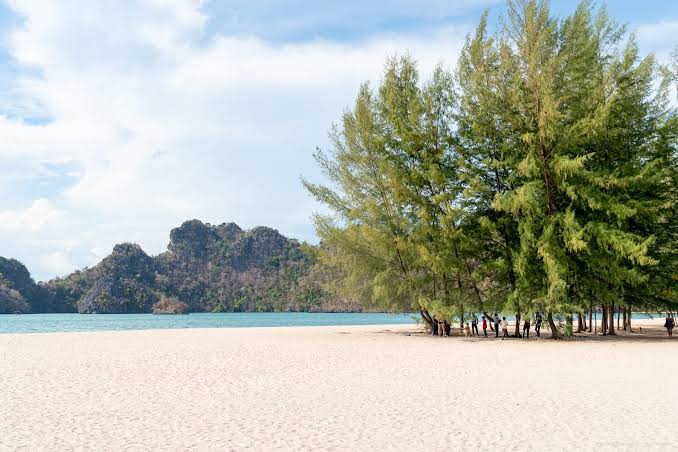
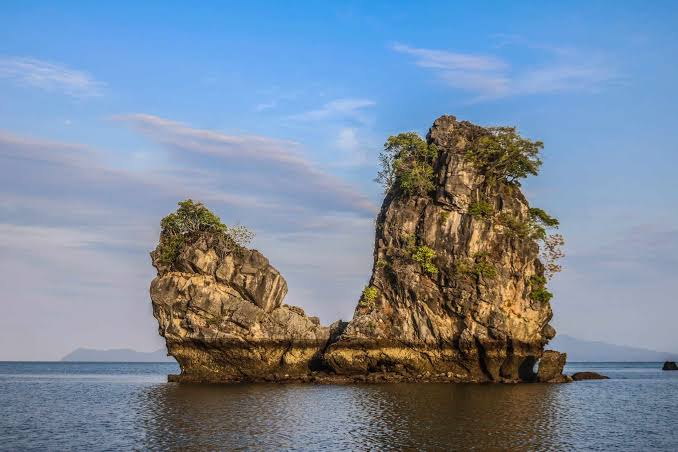
Tanjung Rhu Beach is celebrated for its incredibly soft, fine sand – often described as flour-like – and its remarkably clear, calm waters. The name “Tanjung Rhu” itself means “Cape of Casuarina Trees,” and indeed, the shoreline is fringed with these elegant trees, providing ample shade and adding to the beach’s picturesque allure. What truly sets this beach apart are the ancient limestone formations that dramatically jut out from the sea, creating a prehistoric backdrop that feels straight out of a movie. It’s a place where you can truly unwind and reconnect with nature.
1. A Sanctuary of Serenity
Stepping onto Tanjung Rhu Beach feels like discovering a hidden paradise. The atmosphere is peaceful, making it perfect for those seeking solitude or a romantic getaway. The water is usually very shallow and gentle, making it safe for families with young children to splash and play. You’ll find fewer crowds here, allowing for a more intimate experience with Langkawi’s natural grandeur.
2. The Unique Tidal Phenomenon
One of the most fascinating aspects of Tanjung Rhu is its unique tidal phenomenon. During low tide, a natural sandbar emerges, connecting the main beach to several small, uninhabited islands nearby, such as Pulau Chabang and Pulau Pasir. This allows you to literally walk across the sea to these islands, explore their tiny shores, and discover fascinating marine life in the tide pools. It’s an adventure unlike any other, offering fantastic photo opportunities and a sense of discovery.
Activities and Attractions
Tanjung Rhu Beach is more than just a place to sunbathe; it’s a gateway to some of Langkawi’s most exciting natural adventures.
A. Kilim Karst Geoforest Park Mangrove & Island Hopping Tours
A highlight of any visit to Tanjung Rhu is embarking on a boat tour through the stunning Kilim Karst Geoforest Park. These tours typically depart from the jetty located at the eastern end of the beach. You can choose from various packages, from short two-hour trips to full-day excursions. Prepare to be mesmerized as you navigate through ancient mangrove forests, witness fascinating wildlife like eagles, macaques, and monitor lizards, and explore impressive limestone caves (like Bat Cave and Crocodile Cave). You’ll also visit fish farms where you can interact with marine creatures and learn about local aquaculture. It’s an educational and thrilling experience for all ages.
B. Swimming and Sunbathing
With its pristine, calm waters and soft sand, Tanjung Rhu Beach is ideal for swimming and soaking up the tropical sun. The gentle waves make it very inviting for a leisurely dip, and the water visibility is usually excellent. Find a spot under a casuarina tree for some natural shade, spread your towel, and let the tranquil ambiance wash over you. It’s truly a slice of paradise for relaxation.
C. Kayaking and Stand-Up Paddleboarding
For those who prefer a more active approach to enjoying the water, kayaking and stand-up paddleboarding are excellent options. The calm conditions of Tanjung Rhu Beach make it perfect for paddling at your own pace, exploring the coastline from a different perspective. You might even be able to paddle towards some of the smaller islands when the tide is higher, offering a peaceful and rewarding workout amidst stunning scenery.
D. Exploring the Nearby Islands by Foot (Low Tide)
As mentioned, the unique low tide phenomenon allows you to walk to the nearby islands of Pulau Chabang and Pulau Pasir. This is a must-do experience! Make sure to check local tide charts to time your visit perfectly. Walking across the sandbar, with the clear water lapping at your ankles, feels magical. These small islands are great for shell collecting and offer panoramic views back towards the main island. Remember to wear appropriate footwear to protect your feet.
E. Culinary Delights by the Sea
While Tanjung Rhu doesn’t boast the extensive restaurant scene of Pantai Cenang, it offers some delightful local eateries and upscale dining options. For a taste of fresh seafood with a view, check out some of the local stalls that pop up, or consider the more established restaurants nearby. Scarborough Fish & Chips, though not directly on the beach, is a popular choice just a short drive away, known for its delicious British-style fish and chips overlooking the Andaman Sea. Many resorts in the area also have excellent dining facilities open to non-guests.
Travel Tips
To ensure your visit to Tanjung Rhu Beach is as smooth and enjoyable as possible, keep these tips in mind.
1. Best Time to Visit
The dry season in Langkawi, typically from November to April, offers the best weather for beach activities and tours. During these months, you can expect plenty of sunshine, lower humidity, and calm seas. For experiencing the sandbar walk, specifically check tide times, as low tide changes daily. Early mornings or late afternoons are also fantastic for photography and avoiding the midday heat.
2. What to Bring
Pack essentials like high-SPF sunscreen, a wide-brimmed hat, sunglasses, and comfortable swimwear. A reusable water bottle is a must to stay hydrated, and a waterproof bag will protect your valuables during boat trips. Don’t forget your camera for those stunning limestone karst backdrops! Cash is useful for smaller local stalls or tour operators, although most larger establishments accept cards.
3. Accommodation Options
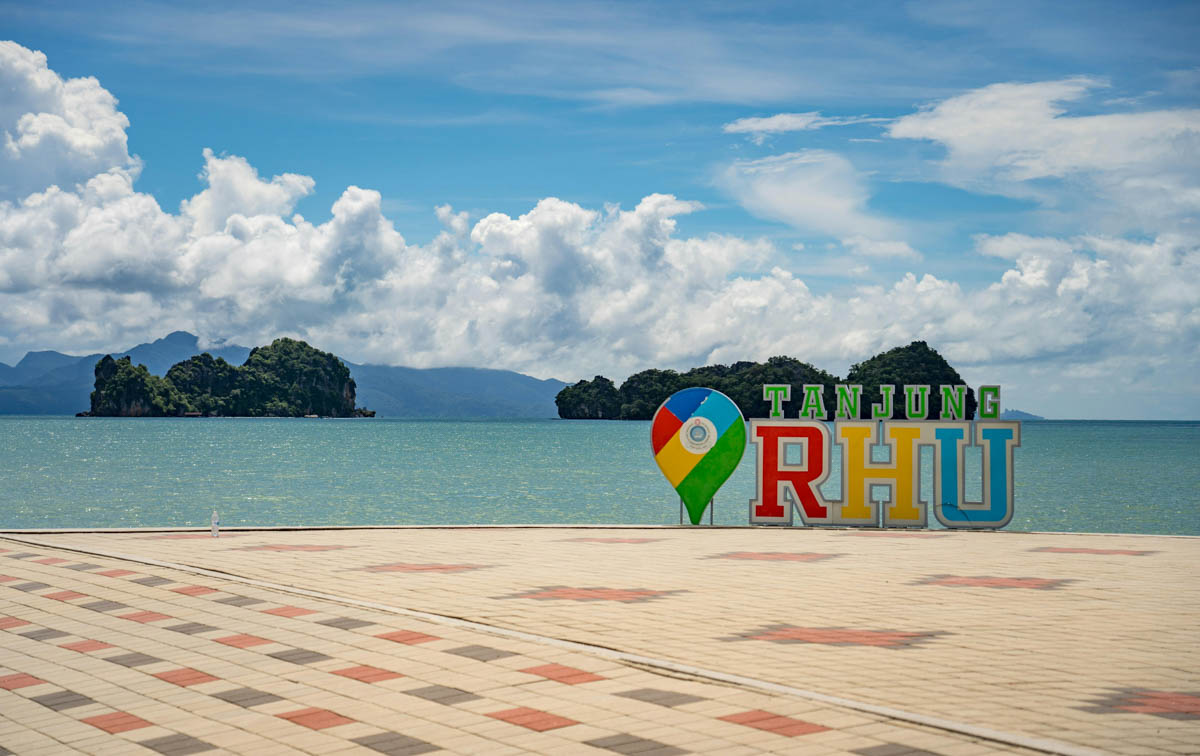
Directly on Tanjung Rhu Beach, you’ll find a few luxurious resorts like the Four Seasons Resort Langkawi and The Tanjung Rhu Resort. These offer unparalleled comfort and direct beach access. For more budget-friendly options, consider staying in nearby areas and taking a taxi or renting a vehicle to reach the beach. Or you can check out malibest resort langkawi.
4. Respecting the Environment
Tanjung Rhu is a precious natural wonder, especially the mangrove ecosystem. Always dispose of your trash properly, avoid disturbing wildlife, and follow the instructions of your tour guides during mangrove expeditions. Let’s help keep this beautiful beach pristine for future generations.
How to Get There / Best Time to Visit
A. Getting to Tanjung Rhu Beach
Tanjung Rhu Beach is located on the far northern coast of Langkawi. From Langkawi Airport (LGK), it’s about a 30-40 minute drive. The most convenient way to reach it is by renting a car or scooter, which offers flexibility to explore at your own pace. Taxis and ride-sharing services like Grab are also readily available, though the fare will be higher due to the distance from popular areas like Kuah or Pantai Cenang. Follow clear signboards once you’re on the main roads heading north. There’s ample parking available for visitors.
B. Best Time for Your Visit
As mentioned, the dry season (November to April) is ideal for weather. However, for specific activities:
* Low Tide Walk: Consult local tide charts. This usually happens twice a day, but the exact times vary. It’s an unmissable experience.
* Mangrove Tours: Morning tours often provide the best wildlife spotting opportunities as animals are more active.
* Swimming & Relaxation: Any time of day is lovely, but early mornings and late afternoons offer softer light and cooler temperatures.
Conclusion
Tanjung Rhu Beach is more than just a destination; it’s an experience that etches itself into your memory. Its untouched beauty, combined with the exciting adventures of the Kilim Karst Geoforest Park, makes it a must-visit for anyone traveling to Langkawi. Whether you seek serene relaxation, thrilling exploration, or simply a backdrop of unparalleled natural splendor, Tanjung Rhu offers it all. So pack your bags, leave your worries behind, and prepare to be enchanted by one of Malaysia’s most exquisite coastal treasures.
Frequently Asked Questions (FAQ)
1. Is Tanjung Rhu Beach suitable for families with children?
Absolutely! The waters at Tanjung Rhu Beach are generally calm and shallow, making them very safe for children to swim and play. The soft sand is also perfect for building sandcastles, and the low tide walk to nearby islands offers a fun adventure for all ages.
2. Are there restaurants available at Tanjung Rhu Beach?
While not as numerous as in other parts of Langkawi, there are local eateries offering fresh seafood and Malaysian dishes near Tanjung Rhu Beach. The luxury resorts in the area also have excellent restaurants open to non-guests, and the popular Scarborough Fish & Chips is a short drive away.
3. How long should I plan to spend at Tanjung Rhu Beach?
You could easily spend half a day just relaxing on the beach and enjoying the scenery. If you plan to do a mangrove tour, which is highly recommended, allocate at least 3-4 hours, or even a full day if you opt for a comprehensive tour. With the low tide walk to the islands, you could stretch your visit to a full day of exploration and relaxation.
4. Is there an entrance fee for Tanjung Rhu Beach?
No, there is no entrance fee to access Tanjung Rhu Beach itself. However, if you opt for a mangrove or island-hopping tour, there will be a fee charged by the tour operators for the boat and guide services.