A Solemn Journey to The Labuan War Cemetery: Honoring Heroes in Borneo
Nestled on the tranquil island of Labuan, off the coast of Borneo, lies a place of profound peace and poignant remembrance: The Labuan War Cemetery. For many travelers exploring the rich history and natural beauty of Malaysia, a visit here offers a powerful opportunity to reflect on the immense sacrifices made during World War II. It’s a site that transcends mere tourism, inviting you into a shared human story of courage, loss, and the enduring quest for peace.
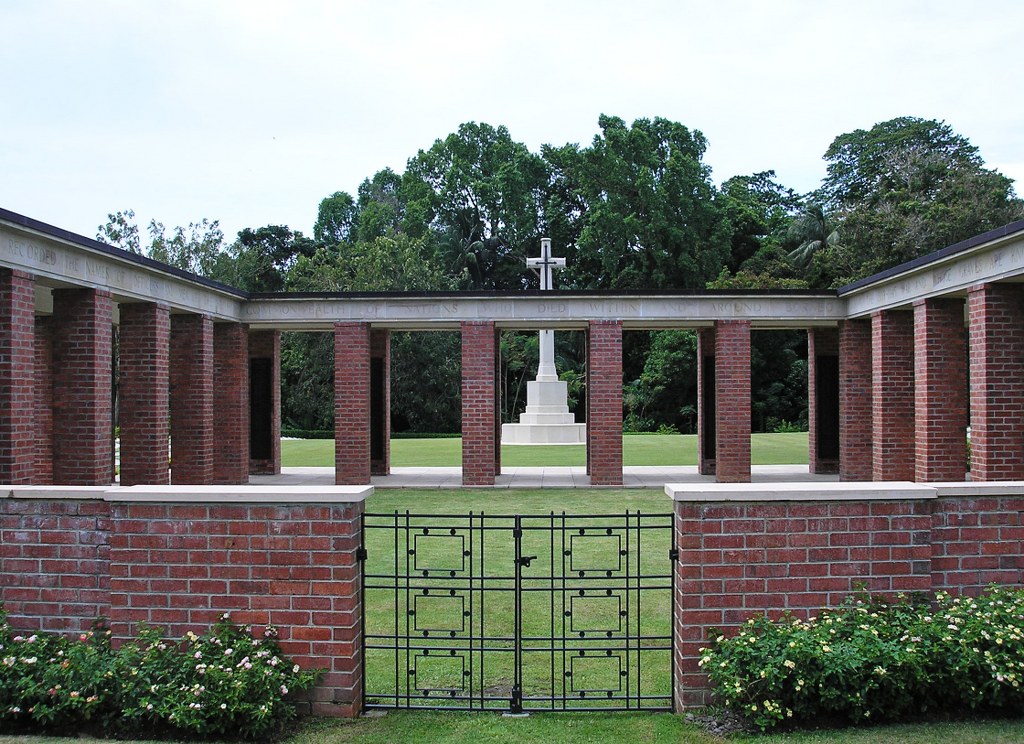
Stepping onto the immaculately maintained grounds, you immediately sense the solemnity and respect that permeates every corner. This isn’t just a cemetery; it’s a testament to thousands of lives from across the Commonwealth who gave everything for freedom. Whether you’re a history enthusiast, a descendant of those who served, or simply someone seeking a moment of quiet reflection, The Labuan War Cemetery offers an experience that is both moving and deeply educational.
About The Labuan War Cemetery
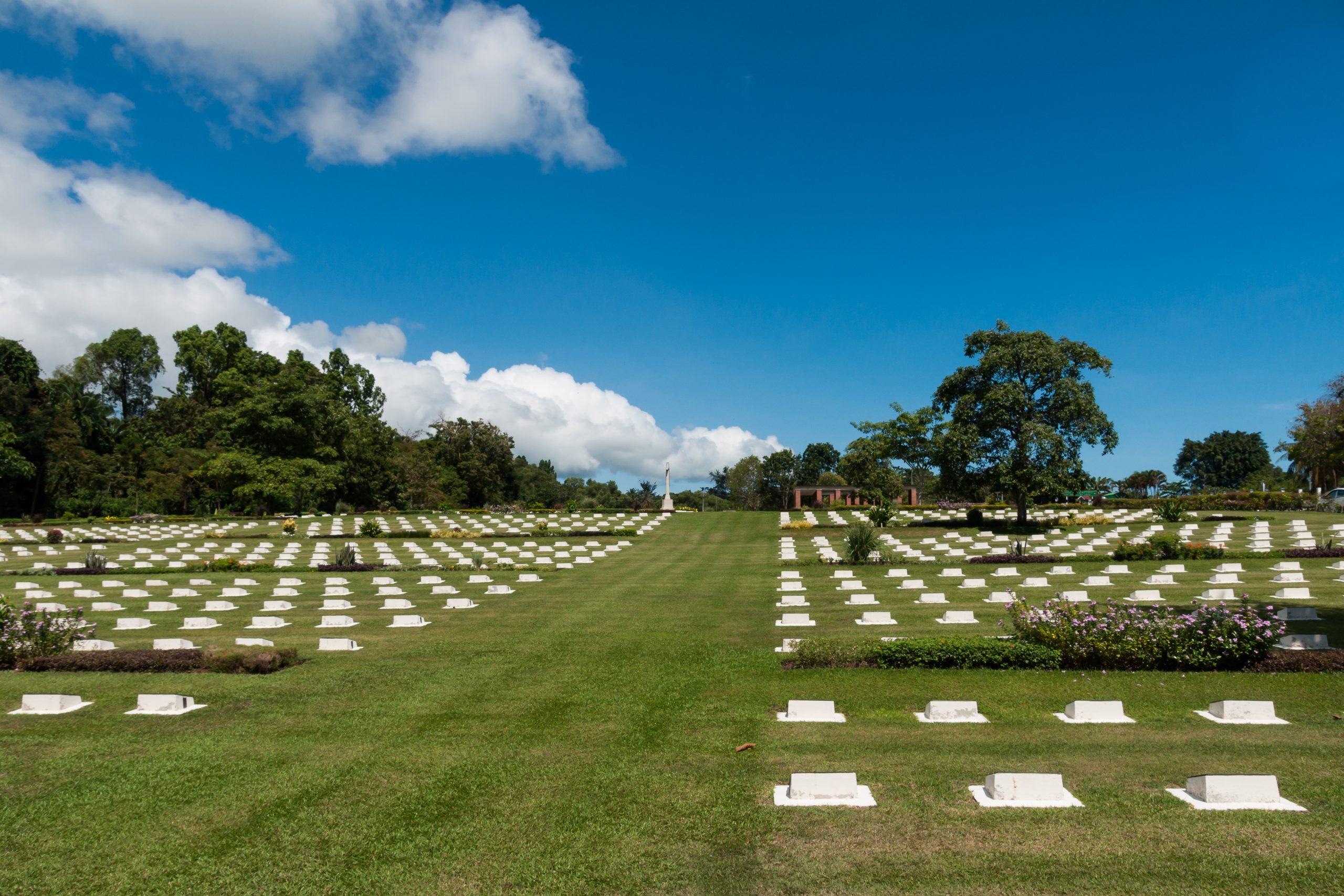
The Labuan War Cemetery stands as a permanent memorial to the Allied servicemen and women who lost their lives in Borneo during World War II, particularly during the Japanese occupation and the subsequent liberation campaigns in 1945. It is the final resting place for over 3,900 servicemen, including many who remain unidentified, primarily from Commonwealth nations such as the United Kingdom, Australia, New Zealand, India, and various local regiments. The meticulous care of the grounds is a credit to the Commonwealth War Graves Commission (CWGC), which maintains war cemeteries and memorials worldwide.
1. A Glimpse into History: The Borneo Campaign
The history embedded within The Labuan War Cemetery is deeply tied to the Borneo Campaign of World War II. Following the Japanese invasion in 1942, Borneo became a significant theatre of war. Labuan itself played a crucial strategic role, serving as a base for Allied forces during the final phases of the war, particularly the Australian 9th Division’s operations to liberate the island and surrounding regions in June 1945. Many of the burials here are soldiers who fell during these fierce battles, as well as those who succumbed in prisoner-of-war camps across Borneo, their remains later brought to Labuan for reburial. It’s a somber reminder of a brutal period in Southeast Asian history.
2. The Commonwealth War Graves Commission’s Dedication
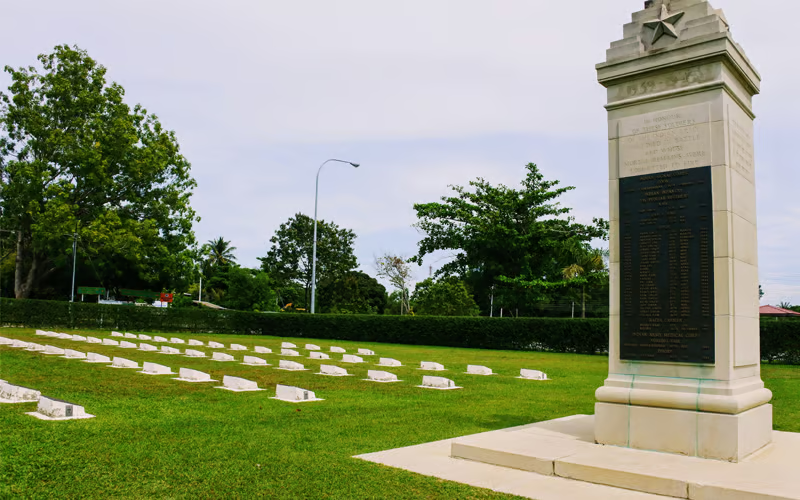
The CWGC’s commitment to honoring the fallen is evident in every detail of The Labuan War Cemetery. From the uniform headstones, each bearing the regimental badge, name, rank, unit, date of death, and age of the soldier, to the impeccably manicured lawns and vibrant flower beds, the site is maintained to the highest standards. Beyond the individual graves, the cemetery also features a distinctive central memorial, a cross of sacrifice, and a Stone of Remembrance, which are standard features in CWGC cemeteries. These elements collectively create an atmosphere of dignified remembrance, ensuring that the sacrifices made are never forgotten.
Activities and Attractions
A visit to The Labuan War Cemetery is less about “activities” and more about an experience of quiet contemplation and respect. It’s a place where you can connect with history on a deeply personal level.
A. Paying Your Respects at the Gravesites
The primary purpose of visiting is to pay your respects. As you wander among the rows of headstones, take a moment to read the names and ages. It’s a truly humbling experience to see how young many of these soldiers were, and to grasp the sheer scale of the human cost of war. The headstones are neatly arranged, often grouped by nationality or unit, allowing for quiet reflection. For those whose loved ones are buried here, it offers a tangible connection to their memory. Don’t miss the memorial wall, which bears the names of servicemen who have no known grave but are commemorated for their sacrifice.
B. Reflecting and Learning at the Memorial
Beyond the individual graves, the overall layout of The Labuan War Cemetery itself serves as a powerful memorial. The tranquil setting encourages visitors to pause and reflect on the themes of peace, sacrifice, and the enduring hope for a better future. There are information boards that provide context about the cemetery and the historical events it commemorates, enriching your understanding of this significant site. While here, consider a visit to the nearby [LINK: Labuan WWII Memorial Park], which features more extensive exhibits, original bunkers, and further historical details about the war on the island, offering a more complete picture of Labuan’s wartime experience.
Travel Tips
To make your visit to The Labuan War Cemetery as meaningful and respectful as possible, keep these tips in mind:
- Dress Code: While there isn’t a strict dress code, it’s advisable to dress respectfully. Comfortable, modest clothing is appropriate.
- Best Time to Visit: The cemetery is open daily, typically from dawn to dusk. We recommend visiting in the early morning or late afternoon to avoid the midday heat and to experience the grounds in a more serene atmosphere.
- Photography: Photography is permitted, but please do so discreetly and respectfully. Avoid taking photos of other visitors in moments of private reflection.
- Atmosphere: Maintain a quiet demeanor. This is a place of remembrance, and silence helps preserve its solemnity.
- Facilities: There are often basic restroom facilities available, though they might be simple. There is no entrance fee for The Labuan War Cemetery, as is common with all Commonwealth War Graves Commission sites globally. You might find a small visitor information kiosk or a book to sign your name.
How to Get There / Best Time to Visit
Labuan is an island federal territory of Malaysia, accessible by flight or ferry. Once on the island, getting to The Labuan War Cemetery is relatively straightforward.
A. Getting to The Labuan War Cemetery
The Labuan War Cemetery is conveniently located just a short drive from Labuan’s main town center (Bandar Labuan).
* Taxi/Ride-hailing: The easiest way to reach the cemetery is by taxi or a ride-hailing service like Grab. The journey from the town center usually takes less than 10 minutes.
* Rental Car/Motorbike: If you’ve rented your own transportation, the cemetery is well signposted, and you can easily navigate there using GPS. Parking is available on-site.
* Public Transport: While local buses might pass near the vicinity, they are not always frequent or direct. Taxis or ride-hailing are generally recommended for convenience.
B. Ideal Visiting Hours
As mentioned, we highly recommend visiting The Labuan War Cemetery during the cooler parts of the day. Labuan experiences a tropical climate, which can be quite hot and humid, especially at noon.
* Morning: Between 8:00 AM and 10:00 AM provides pleasant temperatures and typically fewer visitors, allowing for a more tranquil experience.
* Late Afternoon: From 4:00 PM until closing time offers similar advantages, often with beautiful soft light, perfect for contemplative strolls.
Allocate at least an hour, or even two, if you wish to thoroughly explore and reflect.
Conclusion
The Labuan War Cemetery is more than just a historical site; it’s a powerful symbol of remembrance, peace, and the shared history of nations. A visit here is a poignant reminder of the human cost of conflict and the bravery of those who served. It offers a unique opportunity to pause, reflect, and appreciate the tranquility that these sacrifices helped secure. We encourage you to include this significant memorial in your itinerary when you [LINK: explore Labuan’s other attractions] and experience the profound impact of this sacred ground for yourself.
Frequently Asked Questions (FAQ)
1. Is there an entrance fee for The Labuan War Cemetery?
No, there is no entrance fee to visit The Labuan War Cemetery. It is maintained by the Commonwealth War Graves Commission and is freely accessible to the public as a place of remembrance.
2. How much time should I allocate for a visit to the cemetery?
We recommend allocating at least 1 to 2 hours for your visit. This will give you ample time to walk through the grounds, read the inscriptions on the headstones, reflect, and visit the memorial walls without feeling rushed.
3. Are there other WWII sites or museums nearby in Labuan?
Yes, absolutely! Labuan is rich in WWII history. Just a short distance from The Labuan War Cemetery is the [LINK: Labuan WWII Memorial Park], which features more extensive historical displays, original bunkers, and further insights into the island’s wartime past. Additionally, the [LINK: Labuan Museum] in town also has exhibits related to the island’s history, including its role in WWII.