Imagine stepping back in time, away from the hustle and bustle of modern life, into a world where ancient traditions still thrive. That’s precisely what awaits you at Mari Mari Cultural Village in Sabah, Malaysian Borneo. This remarkable attraction offers an unparalleled opportunity to immerse yourself in the vibrant heritage of Sabah’s diverse indigenous communities, making it an absolute must-visit for any traveler seeking a deeper connection with the local culture.
From the moment you arrive, you’ll feel like an honored guest, invited to experience the customs, lifestyle, and hospitality of various ethnic groups. It’s more than just a tour; it’s an interactive journey that educates, entertains, and inspires. If you’re planning a trip to Kota Kinabalu, setting aside half a day for the Mari Mari Cultural Village will undoubtedly be a highlight, offering memories you’ll cherish long after you’ve left the “Land Below the Wind.”
About Mari Mari Cultural Village: A Journey into Indigenous Sabah
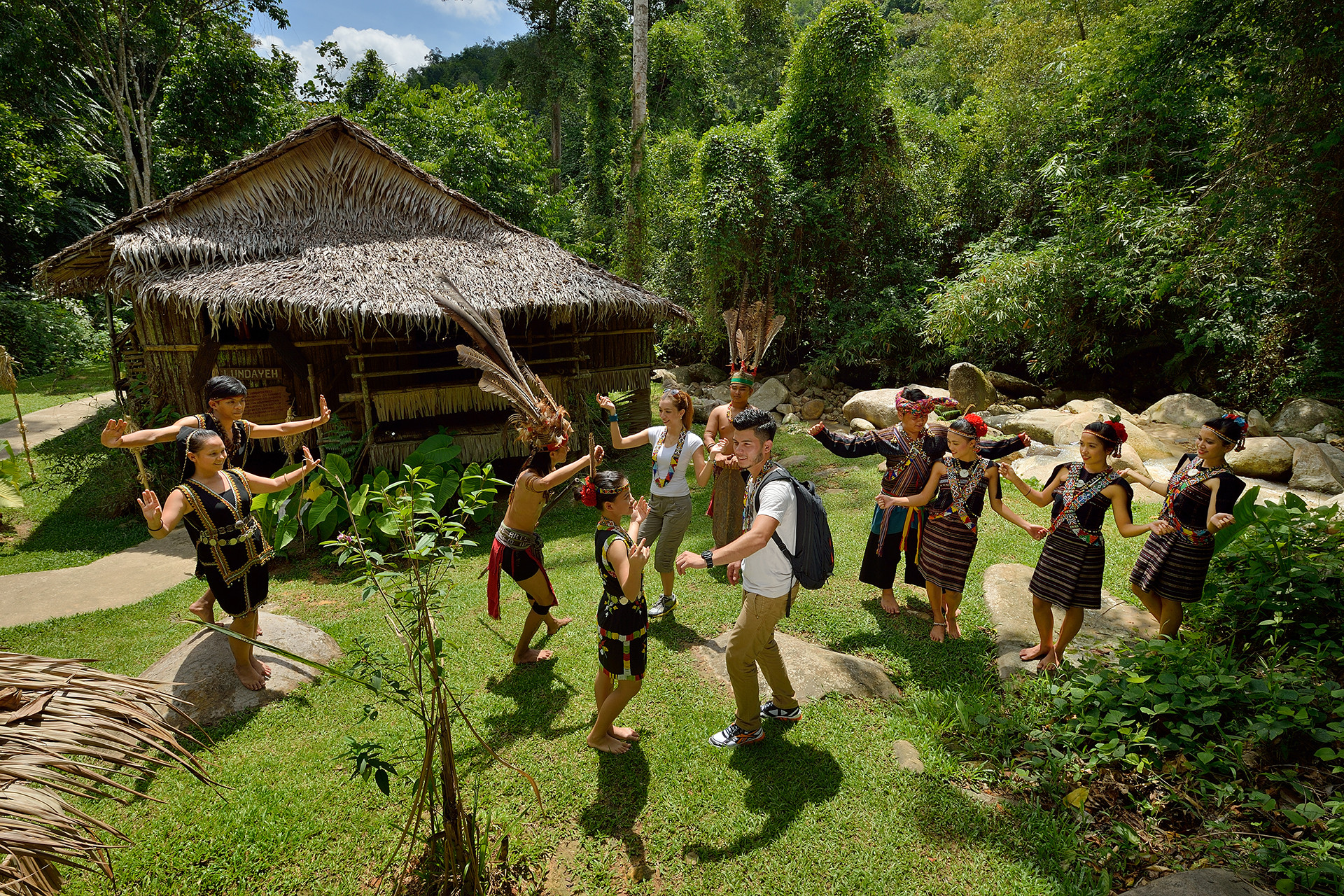
Nestled just a short drive from Kota Kinabalu, Mari Mari Cultural Village serves as a living museum, dedicated to preserving and showcasing the unique cultures of Sabah’s five major ethnic tribes: the Kadazan-Dusun, Rungus, Lundayeh, Bajau, and Murut. It’s a place where history isn’t just told, but actively re-enacted, allowing visitors to gain a profound understanding of the traditions that have shaped this incredible region for centuries.
The village is meticulously designed to replicate the traditional homes and environments of each tribe, offering an authentic glimpse into their daily lives before the advent of modern conveniences. It’s a fantastic initiative that helps sustain these invaluable cultural practices and provides economic opportunities for the local communities involved. You’ll not only observe but also participate, learning hands-on skills and gaining respect for the resilience and ingenuity of these indigenous peoples.
1. Preserving Sabah’s Rich Tapestry
The core mission of Mari Mari Cultural Village is to ensure that the rich cultural heritage of Sabah’s indigenous tribes is not forgotten but celebrated and passed down. Each tribe represented here has its own distinct language, customs, traditional attire, and architectural styles, all of which are lovingly recreated and shared with visitors. It’s a powerful educational tool for both locals and international tourists alike.
2. A Unique Eco-Cultural Experience
Beyond the cultural immersion, the village is also situated amidst lush natural surroundings, adding an element of eco-tourism to the experience. The journey through the village paths, shaded by tropical trees, enhances the feeling of being truly disconnected from the urban world and deeply connected to nature and tradition. It’s a refreshing escape where culture and nature coalesce beautifully.
The Mari Mari Experience: Activities and Cultural Immersion
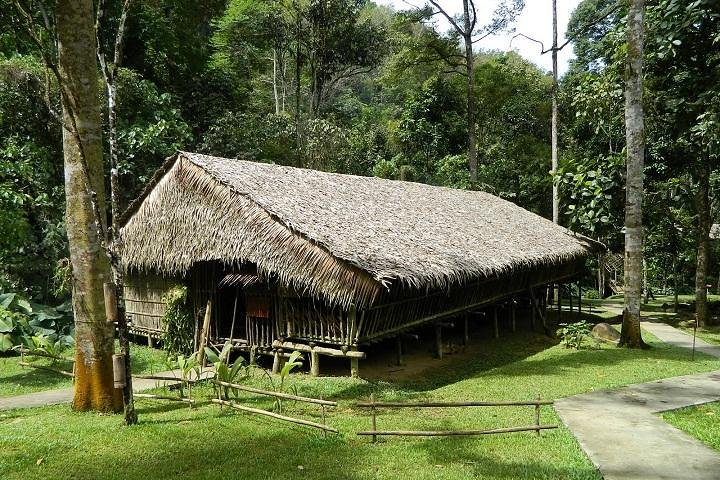
Your visit to Mari Mari Cultural Village is a guided experience, ensuring you don’t miss any of the fascinating details. Knowledgeable guides, often from the local tribes themselves, lead you through each house, sharing stories and insights that bring the past to life. Prepare for an interactive adventure!
A. The Kadazan-Dusun House: Rice Wine and Fire-Starting
Your journey often begins at the Kadazan-Dusun house, where you’ll witness a demonstration of traditional fire-starting using bamboo – a truly impressive feat! You’ll also get to sample “lihing,” their traditional rice wine, and learn about its significance in their culture. It’s a warm welcome that immediately draws you into the spirit of the village.
B. The Rungus Longhouse: Honey Harvesting and Craftsmanship
Next, you might find yourself at the Rungus longhouse, an impressive communal dwelling. Here, you’ll discover how they extract honey from a giant beehive without getting stung (it’s fascinating!) and observe intricate handicraft demonstrations. You might even get a chance to try your hand at some simple weaving or beadwork.
C. The Lundayeh Hut: Simplicity and Serenity
The Lundayeh tribe, known for their peaceful demeanor, offers a glimpse into a simpler, more agrarian way of life. While their activities might be less boisterous, you’ll learn about their unique history and contributions to Sabah’s cultural mosaic. This house often highlights their traditional music or basket weaving.
D. The Bajau Stilt House: Sea Nomads and Local Delicacies
Step into the world of the “Cowboys of the East” or the “Sea Nomads” – the Bajau tribe. Their stilt house demonstrates their close relationship with the sea and land. You might witness a demonstration of making traditional snacks like “kuih jala” (net cakes) or learn about their fishing techniques and the beautiful “pandan” leaf weaving.
E. The Murut Longhouse: Blowpipes, Tattoos, and the “Lansaran”
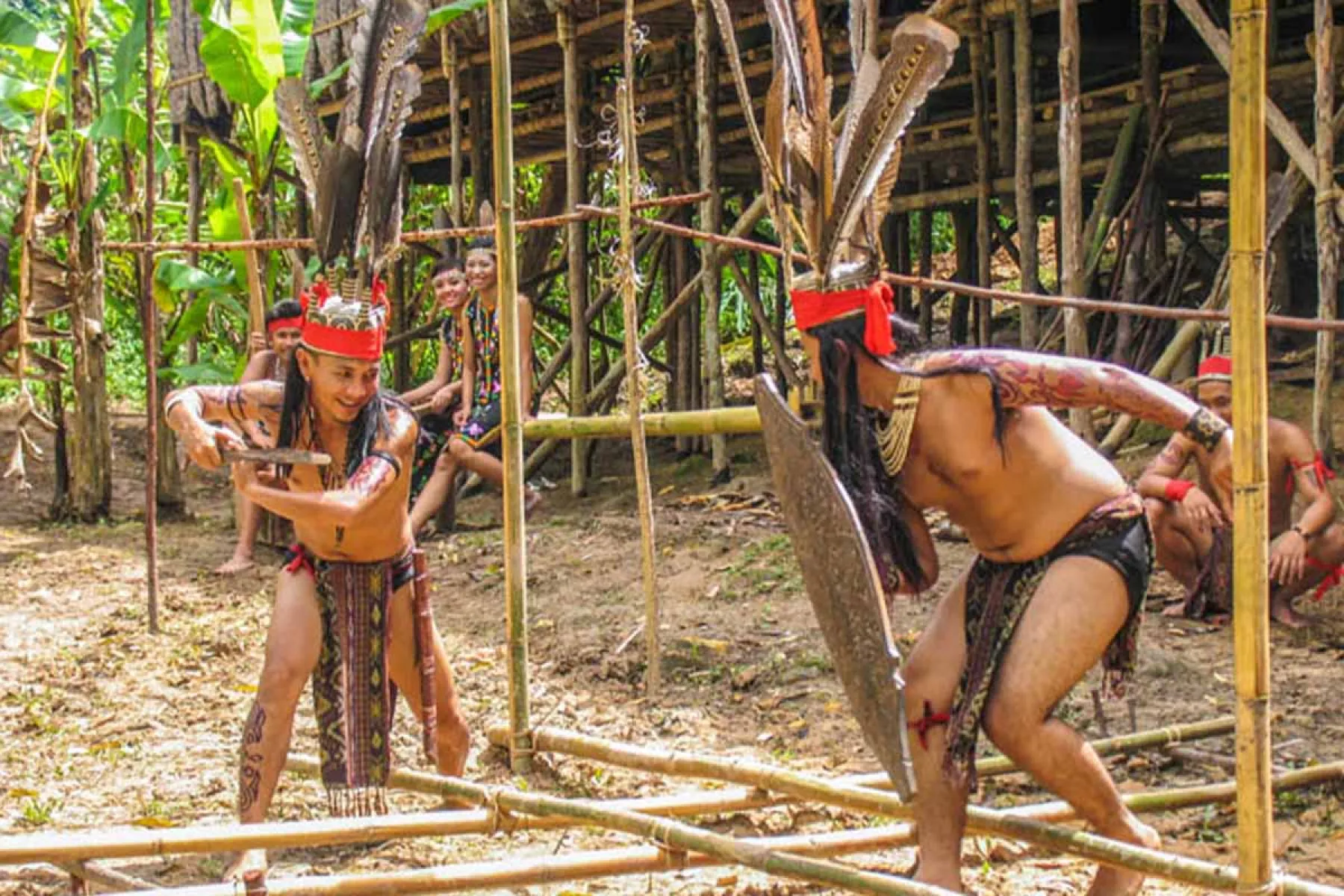
The Murut longhouse is often a highlight for its energetic displays. Here, you’ll learn about the art of using a blowpipe, and perhaps even try hitting a target! You’ll also see traditional tattoo art demonstrations and, for the brave, get to jump on the “Lansaran,” a traditional trampoline made of bamboo and wood, used for celebrations. It’s a real adrenaline rush!
F. The Grand Cultural Performance
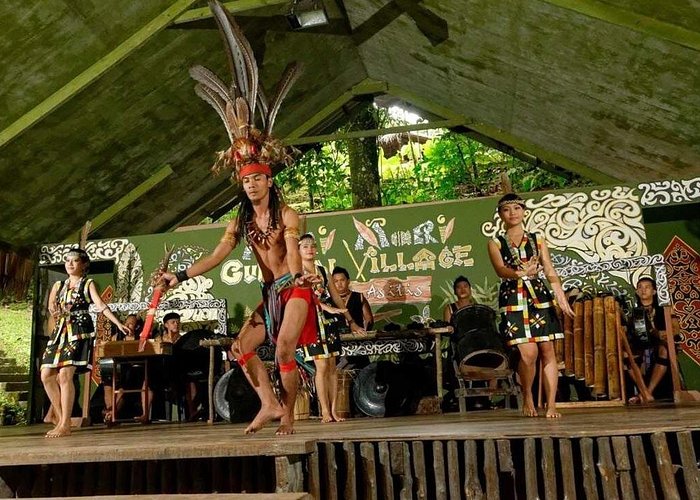
The tour culminates with an exhilarating cultural performance in the main hall. Dancers from various tribes, adorned in their colorful traditional costumes, showcase a series of captivating dances accompanied by live music. It’s a vibrant, rhythmic spectacle that beautifully summarizes the diverse cultures you’ve just explored. Afterwards, a delicious buffet lunch or dinner featuring local Sabahan cuisine is usually served.
Planning Your Visit: Essential Travel Tips for Mari Mari Cultural Village
To make the most of your Mari Mari Cultural Village experience, a little planning goes a long way.
1. Booking Your Tour
It’s highly recommended to book your visit in advance, especially during peak travel seasons. Most hotels and tour operators in Kota Kinabalu offer packages that include transportation to and from the village, which is often the most convenient option. You can sometimes book directly, but transport might need to be arranged separately.
2. What to Wear and Bring
Wear comfortable walking shoes as you’ll be on your feet exploring the village paths. Light, breathable clothing is best for the tropical climate. Don’t forget insect repellent, sunscreen, and a hat. A camera is a must to capture the colorful costumes and memorable moments!
3. Duration of the Visit
The full guided tour, including the cultural performance and meal, typically lasts about 3-4 hours. Allow extra time for browsing the souvenir shop at the end, where you can find unique handicrafts and mementos.
4. Food and Refreshments
A traditional buffet meal (either lunch or dinner, depending on your session) is usually included in your ticket. This is a great opportunity to sample a variety of local Sabahan dishes. Water is also provided along the tour, but carrying your own water bottle is always a good idea.
5. Nearby Attractions
Since Mari Mari Cultural Village is located a bit outside the main city, consider combining your trip with other nearby attractions if your schedule allows. You could explore more of Kota Kinabalu city guide or perhaps a visit to the Lok Kawi Wildlife Park, though these would require separate arrangements.
Getting There and When to Go: Your Gateway to Culture
Mari Mari Cultural Village is conveniently located approximately 25-30 minutes’ drive from Kota Kinabalu city center, making it easily accessible for tourists.
A. Transportation Options
The most hassle-free way to reach the village is by booking a tour package that includes round-trip transfers from your hotel. Alternatively, you can hire a taxi or use ride-sharing apps like Grab, which are readily available in Kota Kinabalu. Just ensure you arrange for a return pick-up time, as taxis might not be waiting around the village.
B. Best Time to Visit
Mari Mari Cultural Village operates two main sessions daily: a morning session (typically starting around 10:00 AM) and an afternoon session (around 2:00 PM). Both sessions offer the same experience.
Sabah generally experiences a tropical climate, so expect warmth and humidity year-round. The dry season, from March to September, might offer slightly more pleasant weather, but rain showers can occur at any time. Visiting during the early part of a session can sometimes mean fewer crowds, allowing for a more intimate experience.
Conclusion: Why Mari Mari Cultural Village is a Must-Visit
Mari Mari Cultural Village is far more than just a tourist attraction; it’s a vibrant portal to the soul of Sabah. It offers a rare and precious opportunity to connect with the indigenous people, understand their traditions, and witness the enduring spirit of their heritage. From the captivating demonstrations to the energetic cultural performances and the delicious local cuisine, every moment spent here is enriching.
Whether you’re a history buff, a culture enthusiast, or simply looking for an unforgettable experience in Borneo, the Mari Mari Cultural Village promises an educational and incredibly engaging journey that will leave you with a deeper appreciation for Malaysia’s diverse cultural landscape. Don’t miss the chance to create lasting memories and truly immerse yourself in the heart of Sabah! You can check out K Avenue Kota Kinabalu here.
Frequently Asked Questions (FAQ)
1. How much does it cost to enter Mari Mari Cultural Village?
Ticket prices vary depending on whether you book directly or through a tour package that includes transportation and a meal. Generally, expect prices to range from RM100-RM200+ for adults. It’s always best to check their official website or inquire with tour operators for the most current pricing.
2. Is Mari Mari Cultural Village suitable for children?
Absolutely! The interactive nature of the village, with its hands-on demonstrations, cultural performances, and the “Lansaran” trampoline, makes it highly engaging and educational for children of all ages. It’s a fun way for them to learn about different cultures.
3. What is the best way to book a tour to Mari Mari Cultural Village?
Most travelers find it easiest to book a package tour from their hotel or a reputable tour agency in Kota Kinabalu. These packages typically include hotel pick-up and drop-off, entrance fees, a guide, and a meal, offering a hassle-free experience.
4. How long is the entire experience at the village?
The full guided tour, including all the interactive activities, the cultural show, and the meal, usually takes about 3 to 4 hours from start to finish. Allow for travel time to and from Kota Kinabalu as well.